Why your skin changes when the weather turns
Your skin's outermost layer, the barrier, is made up of skin cells held together by natural fats called lipids. Think of it as a brick wall: the cells are the bricks and the lipids are the mortar. When that wall is intact, it keeps moisture in and irritants out.
Colder months chip away at it in three ways:
Low humidity. Cold air holds less moisture, so water evaporates from your skin more quickly. Dermatologists call this transepidermal water loss.
Central heating. Radiators and heaters dry indoor air even further, so you're losing moisture outside and in.
Wind and temperature swings. Moving from a biting wind into a warm office or a steamy shower can leave skin red, reactive and prone to flaking.
The result is often tightness, rough patches, dullness and, for some, flare-ups of conditions like eczema or rosacea. Even oily and combination skin can become dehydrated, which sometimes triggers more oil and more breakouts.
Your Autumn/Winter routine, step by step:
1. Switch to a gentler cleanser
Foaming gels that felt fresh in summer can strip skin once the temperature drops. Try a cream, milk, balm or oil cleanser that lifts away make-up and grime without leaving skin squeaky. Use lukewarm water, never hot, and pat dry with a soft towel.
2. Layer in hydration
Apply a hydrating toner, essence or serum to slightly damp skin straight after cleansing. Look for humectants such as hyaluronic acid or glycerin, which draw water into the skin. Layering a light hydrator under your moisturiser is more effective than simply using more cream.
3. Upgrade your moisturiser
Now is the time for a richer formula. If you usually reach for a lightweight gel, consider a cream in the evenings at least. Ingredients such as ceramides, squalane and shea butter help replenish the barrier's "mortar" and seal in the hydration underneath.
4. Keep wearing SPF
It's a common myth that you can skip sunscreen in winter. UVA rays, the ones linked to premature ageing, are present all year round and pass through cloud and glass. Keep a broad-spectrum SPF 30 or higher as the last step of your morning routine, every day.
5. Go easy on exfoliation
Flaky patches can tempt you to scrub, but over-exfoliating weakens an already stressed barrier. Cut back to once or twice a week, choose a gentle chemical exfoliant (such as lactic acid or PHAs) over harsh grainy scrubs, and skip it entirely if skin feels sore.
6. Add a treat or two
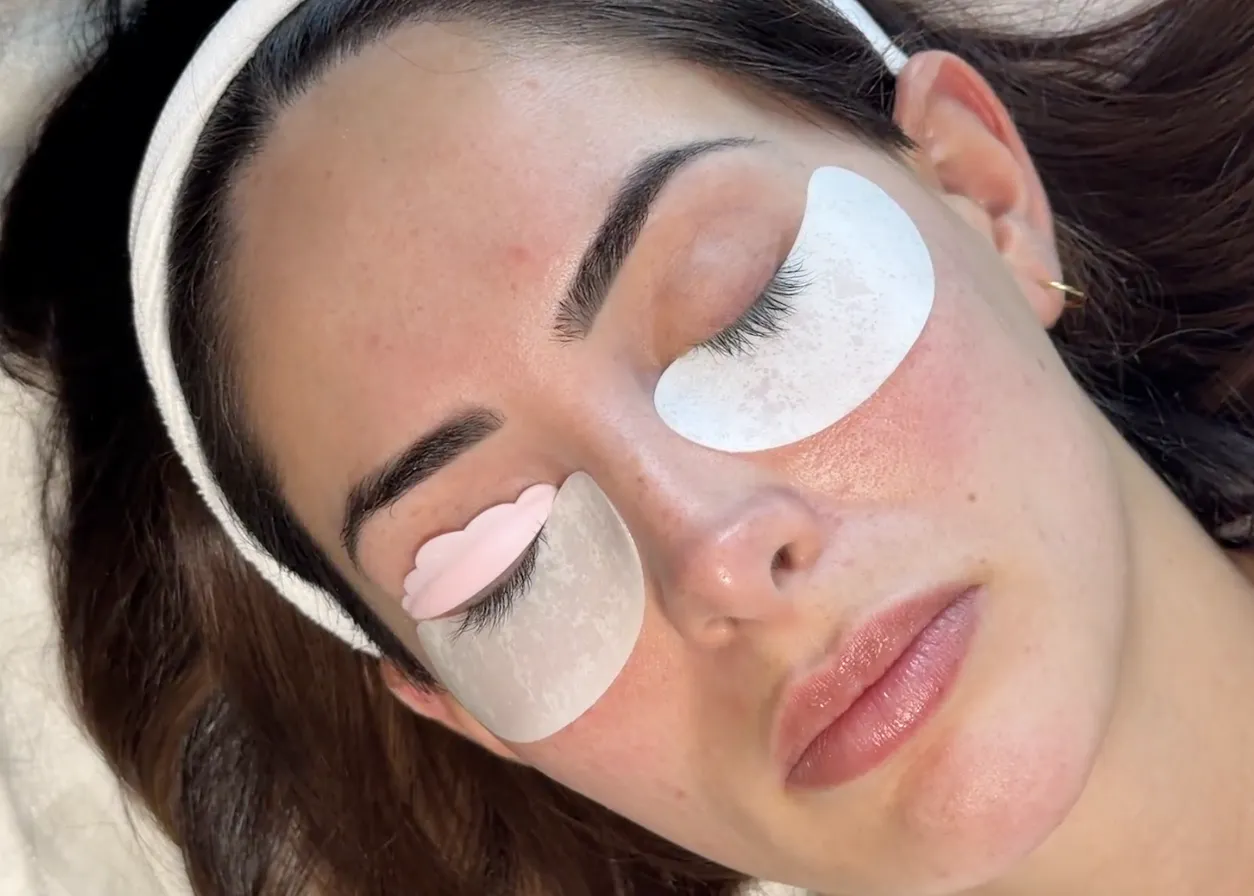
Want to take the guesswork out of it? A professional facial gives your skin a deep, expert-level hydration boost that sets it up for the whole season.
Book Bespoke Facial
Ingredients to look for
Reading labels is easier when you know what each ingredient actually does for winter skin.
Ingredient | What it does | Where you'll find it |
|---|---|---|
Hyaluronic acid | Draws water into the skin for plumpness | Serums, toners, masks |
Glycerin | A reliable, gentle humectant | Cleansers, moisturisers |
Ceramides | Rebuild the lipid barrier | Moisturisers, barrier creams |
Squalane | Lightweight oil that softens without clogging | Facial oils, moisturisers |
Niacinamide | Calms redness and supports the barrier | Serums, moisturisers |
Shea butter | Rich emollient for very dry areas | Night creams, body butters, lip balms |
Panthenol (vitamin B5) | Soothes and aids repair | Serums, balms |
Don't forget lips, hands and body
The skin on your face gets most of the attention, but other areas often suffer more in the cold.
Lips have no oil glands of their own, so they chap quickly. Keep a nourishing balm in every coat pocket, apply before heading out, and resist the urge to lick them. A thicker layer overnight works wonders.
Hands take a battering from cold air and frequent washing. Use a rich hand cream after every wash, and wear gloves outdoors. For very dry hands, try a thick layer of cream under cotton gloves overnight.
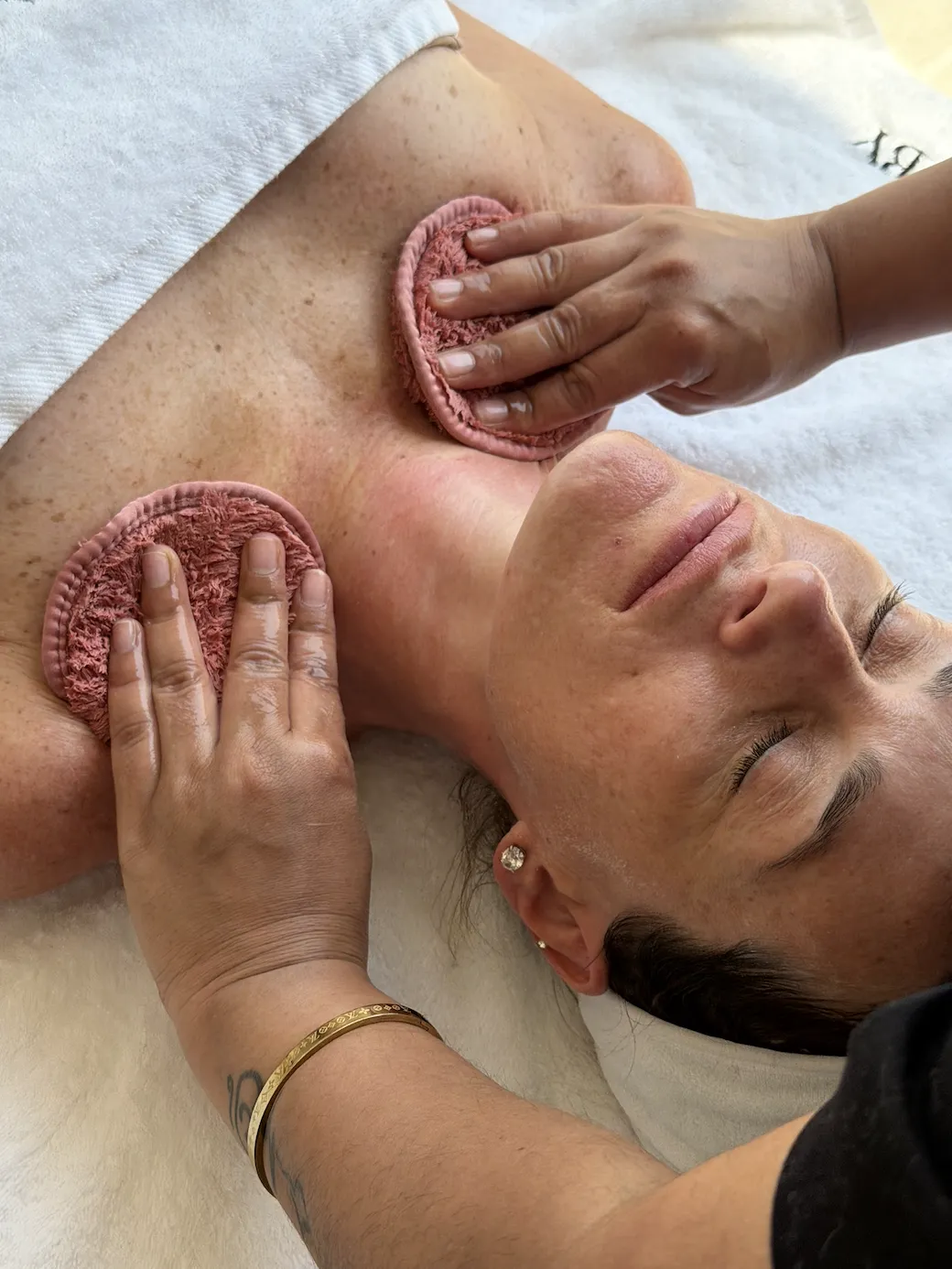
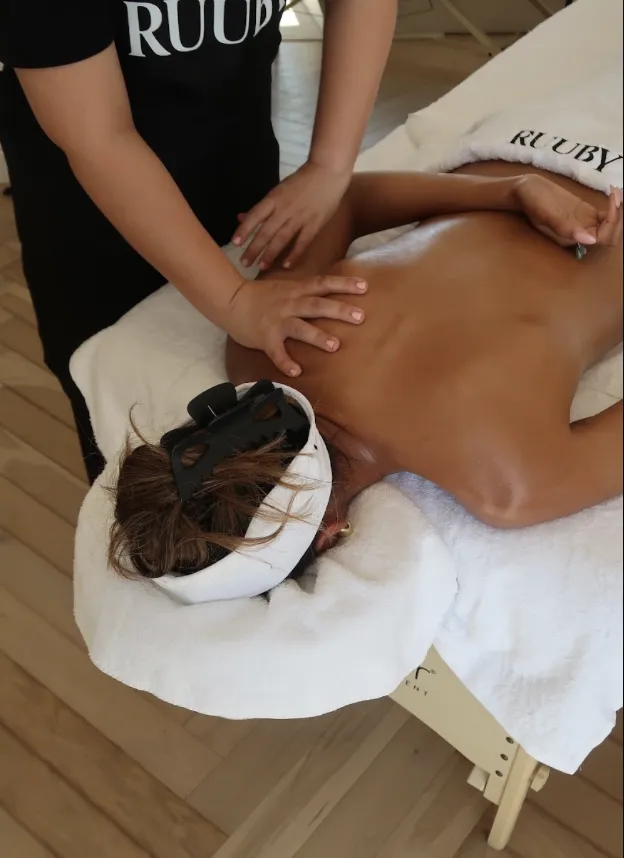
Body skin, especially shins, elbows and knees, can become rough and itchy. Winter weather and central heating leave skin drier than at any other time of year. A massage with warm, nourishing oils helps replenish lost moisture and leaves your body feeling soft, supple and cared for.
Feet benefit from a urea-based foot cream to soften hard skin before it cracks, particularly if you live in boots all season.
Book Aromatherapy Massage
Why winter is the perfect time to book a facial or massage.
A good home routine does the day-to-day work, but a professional treatment gives your skin a deeper reset that's hard to recreate in your bathroom. Winter is when your skin, and your body, need it most.
Facials: a reset for stressed winter skin
Gentle, expert exfoliation. A therapist can safely lift away the dull, flaky build-up that cold weather leaves behind, without the risk of over-scrubbing at home.
Deep hydration. Professional-strength masks, serums and massage techniques push moisture into the skin far more effectively than a quick evening routine.
Barrier repair. Treatments tailored to dry or sensitive skin help calm redness and restore comfort after weeks of wind and central heating.
A personalised plan. Your therapist can assess how your skin is coping and recommend the right products for the season ahead, so everything you use at home works harder.
Massage: warmth for body and mind
Boosts circulation. Cold weather slows circulation to the skin, which can leave it looking dull. Massage encourages blood flow, bringing a healthy glow back to your complexion.
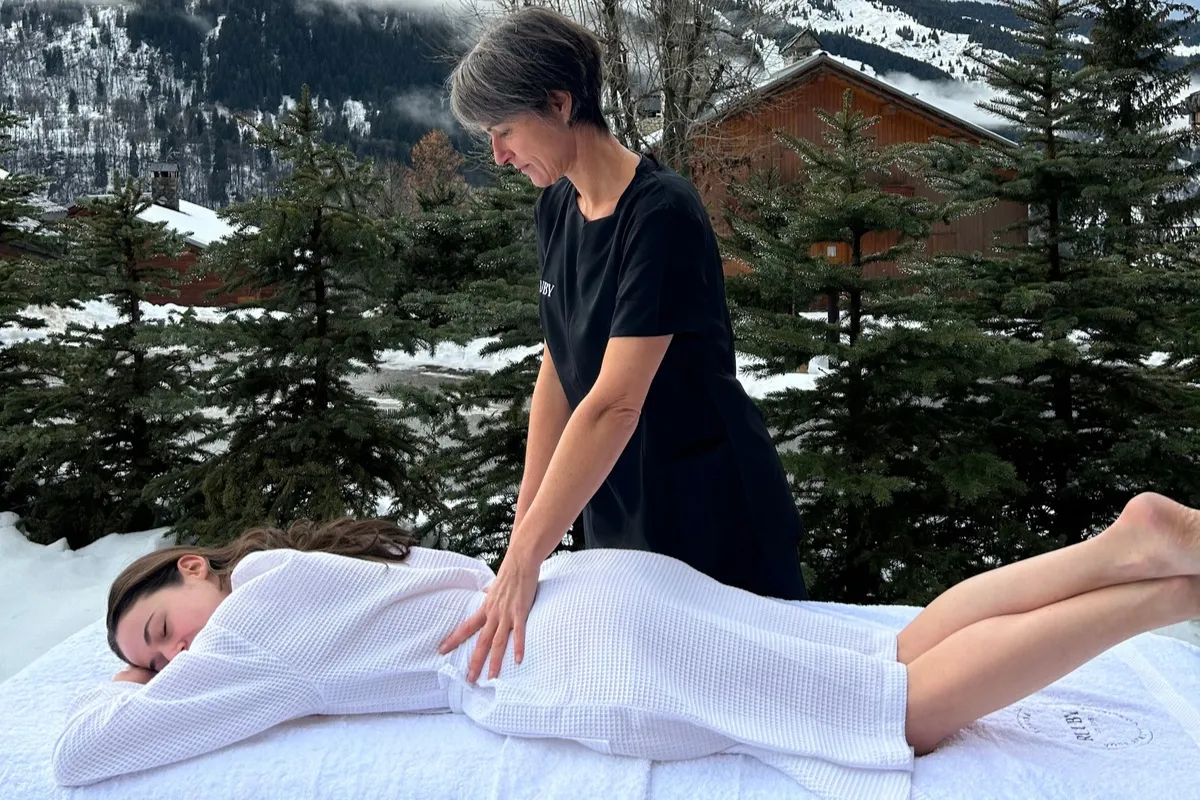
Eases winter tension. Hunched shoulders against the cold, long hours indoors and shorter days all take a toll. A massage releases muscle tension and helps you properly unwind.
Nourishes dry body skin. Warm, nourishing oils used during massage leave skin on the arms, legs and back soft and supple, just when it's at its driest.
Lifts your mood. Darker days can leave many of us feeling low. Regular massage is a lovely way to carve out time for yourself and feel restored.
Treat someone else too :
With the festive season on its way, a facial or massage makes a thoughtful gift for anyone feeling the winter chill.
Gift a Ruuby Treatment
The bottom line
Prepping your skin for autumn and winter comes down to three things: cleanse gently, hydrate generously and protect consistently. Start making your swaps now, before the first frost, and your skin will thank you all the way through to spring.